
Living Room
Small Living Room Carpet: How to Pick the Right Size

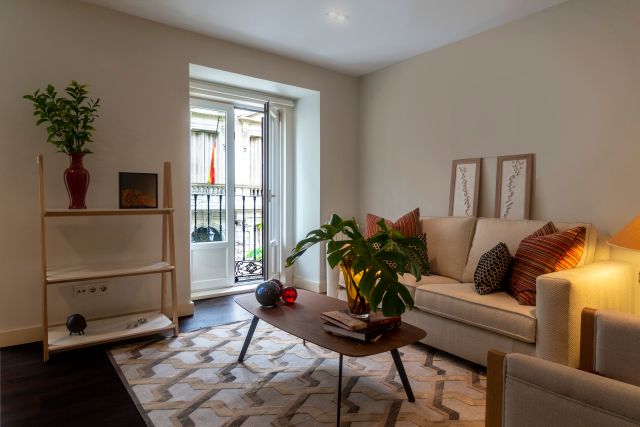
A rug that’s sized wrong is one of the most common — and most fixable — mistakes in small living rooms. According to the National Kitchen and Bath Association’s spacing guidelines for adjacent living areas, at least 36 inches of clear floor space is needed for comfortable movement around furniture, and a poorly sized rug eats into that clearance faster than almost any other decor choice.
This guide covers how to pick the right small living room carpet size, when to choose a full carpet versus an area rug, how to place it so the room reads bigger instead of smaller, and which colors and patterns actually work in tight square footage. It also answers the specific sizing and layering questions people search for most before buying.
Most rug guides repeat the same “go as big as you can” advice without addressing what happens when your living room is genuinely small — under 150 square feet, with furniture already pushed against walls. This one is built around that constraint, not around a showroom-sized room that doesn’t match most apartments.
Choosing the Right Rug Size for a Small Living Room
The single biggest sizing mistake is buying a rug that only fits under the coffee table. A rug size for small living room layouts should reach at least the front legs of every major seating piece — sofa, chairs, loveseat. When a rug floats in the middle of the room with furniture legs entirely off it, the space reads choppy and smaller than it is, not larger.
For a small living room, work backward from your seating arrangement rather than the room’s total square footage. If your sofa is 72 inches wide, a rug narrower than that will almost always look undersized once the furniture sits on top of it. A 5×7 rug works for a single seating cluster in a room under 120 square feet. An 8×10 is the practical ceiling for most small living rooms — anything larger usually needs to run under cabinetry or into a hallway, which most small layouts don’t have room for.
| Room Size | Recommended Rug Size | Coverage Goal |
|---|---|---|
| Under 100 sq ft | 5×7 ft | Front legs of sofa + chairs on rug |
| 100–150 sq ft | 6×9 ft | All seating legs on rug, walkway visible |
| 150–200 sq ft | 8×10 ft | Full seating group on rug with border |
Ballard Designs and West Elm both publish rug-fit guidance that lands on the same rule: leave 12 to 18 inches of bare floor between the rug’s edge and the wall in a small room, rather than pushing the rug edge to edge. That strip of visible floor is what keeps a small space from feeling like it’s wearing a rug that’s too big for it.
Carpet vs. Area Rug for a Small Living Room
Wall-to-wall carpet and an area rug for small living room setups solve different problems, and the choice matters more in a small room than a large one because there’s less room to correct a mistake later. Wall-to-wall carpet removes the guesswork on sizing entirely and can make a small room feel more continuous, since there’s no visible flooring seam breaking up the sightline.
An area rug, on the other hand, gives you flexibility a fitted carpet doesn’t. You can swap it seasonally, take it when you move, and use it to define a seating zone within an open-plan space — something that matters if your living room shares a footprint with a dining or entry area. A small carpet living room setup using a well-placed area rug also tends to be easier on a renovation budget, since it doesn’t require padding installed under baseboards or professional fitting.
Quick Note: If you’re renting, an area rug is almost always the better call — wall-to-wall installation isn’t reversible, and most leases won’t cover the cost if you need to remove it later.
The tradeoff runs the other way too. Wall-to-wall carpet holds up better in high-traffic small rooms because there’s no rug edge to curl, shift, or trip on, and it insulates sound and temperature more evenly across the whole floor. If your small living room doubles as a hallway pass-through, that durability difference is worth factoring in before you default to an area rug just because it’s the trendier choice.
Placement Tips That Make a Small Room Look Bigger
Placement affects the perceived size of a room more than the rug’s actual dimensions do. Centering the rug on the seating group — not on the room itself — is the fix most small living rooms need. If your sofa sits against one wall, the rug should be centered on the sofa-and-chairs cluster, even if that leaves more bare floor on one side of the room than the other.
A few placement habits consistently work in tight spaces:
- Run the rug parallel to the room’s longest wall to visually stretch the space
- Keep at least the front two legs of every seating piece on the rug
- Leave a consistent floor margin on all visible sides rather than an uneven border
- Avoid rugs with busy borders in rooms under 120 square feet, since a heavy border visually shrinks the floor it’s meant to define
For layouts where the sofa backs onto a walkway rather than a wall — a common setup discussed in this breakdown of small living room furniture layout measurements — the rug should stop short of that walkway rather than extending into it. A rug edge in a pathway is both a trip risk and a visual clutter point in a small footprint.
If your living room is part of an open floor plan rather than a closed room, the rug does double duty as the boundary marker between zones. This guide on laying out a very small open-plan kitchen and living room covers how flooring transitions can substitute for walls when defining where the living area starts.
Color and Pattern Guidance for Small Spaces
Light, low-contrast rugs read as more floor space than dark, high-contrast ones — this isn’t a myth, it’s basic figure-ground perception, and it’s why most small-space design advice defaults to it. A rug close in tone to your flooring extends the visual footprint of the floor itself, rather than breaking it into a separate visual block.
That doesn’t mean pattern is off the table. Small, tight repeating patterns — a fine trellis, a subtle geometric, a low-pile Berber texture — read as texture rather than as a bold shape, which keeps the floor feeling continuous. Large-scale florals or oversized medallion patterns tend to compress a small room because the eye reads the pattern’s scale against the room’s actual size and the room loses.
Our take: in a small living room, a solid or near-solid rug in a tone one or two shades lighter than your walls will outperform a “statement” patterned rug almost every time — the statement rug photographs well, but in daily use it makes the room feel like it’s working harder than it needs to. Save bold pattern for a room with more square footage to absorb it.
This approach works well for neutral, light-flooring rooms. If your living room already has dark hardwood or dark LVP flooring, skip the “match the floor tone” rule from the paragraph above and go lighter than the floor instead — otherwise the rug disappears into the boards and the room loses its only visual anchor.
Frequently Asked Questions
What size rug is too small for a living room?
A rug is too small when none of your furniture legs sit on it, or when only the coffee table touches it while the sofa and chairs sit entirely on bare floor. That floating-island look is the single most common complaint interior shops hear from customers returning a rug for a size exchange.
Should a rug go under the whole sofa or just the front legs?
In a small living room, front legs on the rug is the practical minimum, and all four legs on the rug is the stronger visual choice if the room can fit it. Front-legs-only works when space is genuinely tight; it’s a compromise, not the ideal outcome.
Is wall-to-wall carpet outdated for small living rooms?
No — it’s less common in new builds, but it’s not outdated, and it solves specific problems an area rug can’t, like consistent sound dampening and no edge to trip over. The shift toward area rugs is more about flexibility and cost than carpet being a worse product.
What’s the biggest mistake people make with small living room rugs?
Buying based on the room’s total square footage instead of the furniture arrangement. A rug should be sized to the seating group first; the leftover room dimensions come second.
Do darker rugs really make a small room look smaller?
Generally yes, especially when the rug contrasts sharply with the flooring around it — the contrast line becomes a visual stopping point that the eye reads as the edge of the usable floor. A rug closer in tone to the surrounding floor keeps that boundary from standing out.
Final Thoughts
The rug decisions that matter most in a small living room aren’t about trend or color — they’re about matching the rug’s size and placement to the actual seating layout, not the room’s total footprint. A small living room carpet chosen against your furniture dimensions, with a consistent margin of bare floor and a tone close to your flooring, will make more visual difference than any pattern choice.
Start by measuring your seating group’s outer edges before you shop, and size the rug from that number rather than the room’s square footage — it’s the one step that prevents most of the sizing mistakes covered above.
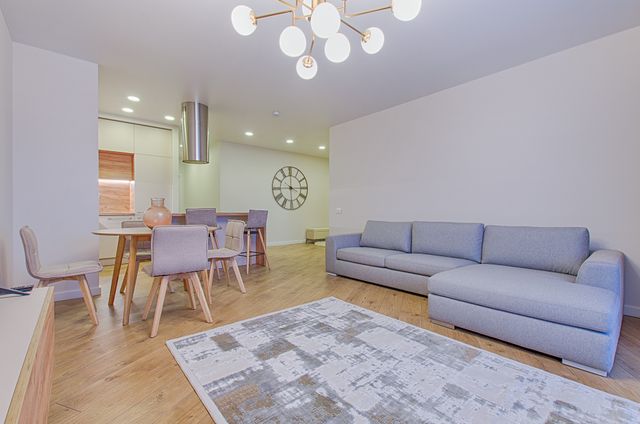
A wool area rug in a high-traffic living room can double as a dust and allergen trap within a single season if it only gets vacuumed. Most homeowners don’t realize how dirty a rug gets until they lift it and see the outline pressed into the floor underneath — which is usually the moment someone starts searching for rug cleaning near me.
This guide covers what that search is usually trying to solve: how often a rug actually needs professional attention, what it costs in 2026, which cleaning method fits which material, and how to tell a good local cleaner from one that will ruin a good rug.
Most articles on this topic either push a single cleaning company’s service page or give generic “vacuum twice a week” advice. This one breaks down real 2026 pricing by method and rug type, flags where cost estimates disagree, and gives you rug-specific vetting questions instead of generic contractor advice.
How Often You Need Rug Cleaning Near Me
Most area rugs need a deep professional cleaning once a year, and more often if pets or heavy foot traffic are involved. According to Angi, wool and silk rugs in high-traffic areas or homes with pets and allergies benefit from cleaning every six to twelve months, while rugs in low-traffic rooms may only need cleaning once every eighteen to twenty-four months.
Vacuuming is not a substitute for a deep clean. Ground-in dirt sits below the pile where a vacuum brush can’t reach, and it slowly cuts into the fibers every time someone walks across the rug. A rug that looks clean on the surface can still be shedding fine grit that wears down the weave from the inside.
This doesn’t apply if the rug sits in a rarely used guest room or formal space with minimal traffic and no pets. In that case, stretching cleaning to every two years is reasonable and won’t shorten the rug’s life.
DIY Cleaning vs. Hiring a Local Professional
Home cleaning works for routine maintenance; professional cleaning is worth it for anything valuable, delicate, or heavily soiled. Renting a carpet cleaning machine costs $30 to $50 a day and handles surface dirt on synthetic rugs reasonably well.
Hand-knotted, wool, or antique rugs are a different story. The dyes can bleed, the backing can shrink, and a wrong chemical can permanently discolor the fibers. Home Depot notes that rug pads extend the life of a rug by holding it in place and can prevent spills or dyes from seeping through and staining the floor underneath — but a pad only protects the floor and reduces shifting; it doesn’t remove soil that’s already worked into the pile.
Our take: DIY spot-cleaning and vacuuming between visits, paired with a professional deep clean once a year, gets the best results without overspending. Skipping the professional step entirely on a wool or Persian-style rug is the fastest way to shorten its lifespan by years.
What Rug Cleaning Actually Costs in 2026
Professional rug cleaning typically runs $2 to $8 per square foot, which puts most 8×10 rugs in the $150 to $600 range depending on material and method. Smaller rugs and synthetic materials land at the low end; wool, silk, and hand-washed pieces cost more.
| Method | Cost per Sq Ft | Best For |
|---|---|---|
| Steam cleaning | $1 – $4 | Synthetic and durable wool rugs |
| Dry/chemical cleaning | $1.50 – $5 | Rugs with unstable dyes, delicate fibers |
| Hand washing | $3 – $8+ | Antique, silk, or high-value rugs |
You may also see much lower per-square-foot estimates online, sometimes under a dollar. Those figures typically come from basic maintenance-cleaning calculators built for routine upkeep, not the deeper extraction and hand-detailing work a rug specialist does — so treat any quote far below $1 per square foot as covering less work, not a better deal.
Pickup and delivery, stain treatment, and moth protection are usually quoted separately, typically adding $20 to $75 depending on distance and how much extra work the rug needs.
Choosing a Rug Cleaner Near You (Not Just Any Carpet Cleaner)
The safest local search results are cleaners who specialize in rugs specifically, not just carpet cleaners who also “do rugs” on the side. A rug specialist will ask about fiber content and construction before quoting a price, because a machine-made polyester rug and a hand-knotted wool one need completely different treatment — a generalist carpet cleaner often uses the same truck-mounted equipment on both.
Ask whether cleaning happens on-site or at their facility, and why. Off-site cleaning is often preferred for deep cleaning and drying, since a facility has better extraction and drying equipment than a truck-mounted unit parked outside — this matters more for wool and hand-knotted rugs, which hold moisture longer and can develop mildew if they don’t dry fully within a day.
A trustworthy quote separates the base cleaning fee from add-ons like stain treatment or pickup, rather than bundling everything into one vague number. Asya Biddle, a cleaning services professional and owner of The Dust Busters in Williamsport, PA, notes that pricing conversations should account for rug material and condition upfront rather than being quoted sight-unseen.
Rug Placement and Fading: Why Location Affects Cleaning Frequency
Rugs placed in sunlit rooms fade and dry out faster, which makes fibers more brittle and prone to shedding between cleanings. If your living room gets strong afternoon light, rotating the rug every six months evens out sun exposure and wear.
Placement near a fireplace or heating vent also matters. Rugs positioned close to a heat source in a small living room with a fireplace dry out faster and collect more airborne dust from combustion, which shortens the interval before a deep clean is needed.
In open-concept spaces, rugs anchoring a seating area in a kitchen-adjacent living room layout pick up grease and cooking residue in addition to normal foot traffic, so plan on cleaning those on the shorter end of the annual range rather than the longer one.
Common Rug Cleaning Mistakes That Shorten a Rug’s Life
Scrubbing a fresh stain instead of blotting it pushes the spill deeper into the pile and backing, making it harder for a professional to remove later. Blot from the outside in with a clean cloth, and never rub.
Using a household carpet shampoo on a wool or silk rug is another common mistake, since these products are formulated for synthetic carpet fibers and can strip natural oils or set the dye unevenly. Renting a machine built for carpet, then using it on a delicate rug, causes the same problem.
Skipping rotation is easy to overlook but adds up. Correct furniture layout also matters here: rugs sized and placed according to real furniture layout measurements wear more evenly, since foot traffic and furniture weight are distributed the way the rug was designed to handle.
How to Extend Time Between Professional Cleanings
Vacuuming high-traffic sections of the rug two to three times a week keeps grit from working into the pile, which is the single biggest factor in how fast a rug looks worn. Blotting spills immediately, rather than letting them dry, prevents most permanent staining.
If you’re also refreshing the room’s palette, matching a rug’s undertone to your wall and paint colors makes light soiling and pet hair far less visible between cleanings, which can stretch the interval a few extra months without the rug looking neglected.
Brands like Ruggable have built machine-washable rug lines specifically around this problem — swapping a washable cover for households with pets or kids reduces how often a full professional cleaning is needed, though it’s a different product category from a traditional wool or hand-knotted rug and isn’t a substitute for professional care on those materials.
Frequently Asked Questions
How much does it cost to have a rug professionally cleaned?
Most professional rug cleaning costs between $150 and $600 for a standard 8×10 rug, depending on material and cleaning method. Wool and hand-washed rugs land at the higher end, while smaller synthetic rugs can cost as little as $60 to $150.
Can I clean a wool rug myself at home?
Light vacuuming and blotting spills are safe for wool rugs at home, but a full wet cleaning is risky without professional equipment. Wool can shrink, bleed dye, or develop mildew if it isn’t dried completely and quickly, so deep cleaning is best left to a specialist.
Is steam cleaning safe for all rug types?
Steam cleaning works well for synthetic and many wool rugs but isn’t recommended for silk, antique, or rugs with unstable dyes. For those materials, a dry or hand-washing method controls moisture and reduces the risk of bleeding or shrinkage.
How do I know if a local rug cleaner is trustworthy?
A trustworthy cleaner asks about your rug’s fiber content before quoting a price and explains which method they’ll use and why. If a company gives a flat price without asking any questions about the rug itself, that’s a sign to keep looking.
What’s the biggest mistake people make with rug cleaning?
The most common mistake is scrubbing a stain instead of blotting it, which pushes the spill deeper into the pile and backing. The second most common mistake is using a synthetic-carpet shampoo on a wool or silk rug, which can strip natural oils and cause uneven dye fading.
Does rug cleaning cost more in cities than smaller towns?
Urban markets often run higher than smaller towns for the same size and material, largely due to labor and facility costs, though the exact difference varies by company and region. Rural areas often have lower base rates but may add travel fees for pickup and delivery.
Final Thoughts
The rugs that last longest aren’t the ones cleaned the most often — they’re the ones matched to the right method for their material and cleaned on a schedule that fits their actual foot traffic. A $200 wool rug in a high-traffic living room needs a different plan than a $2,000 silk rug in a formal sitting room, and treating them the same is how good rugs get ruined early.
Before booking the first rug cleaning near me result, call and ask what method they’d use for your specific rug material. The answer to that one question tells you more about whether they’ll take care of your rug than any star rating will.
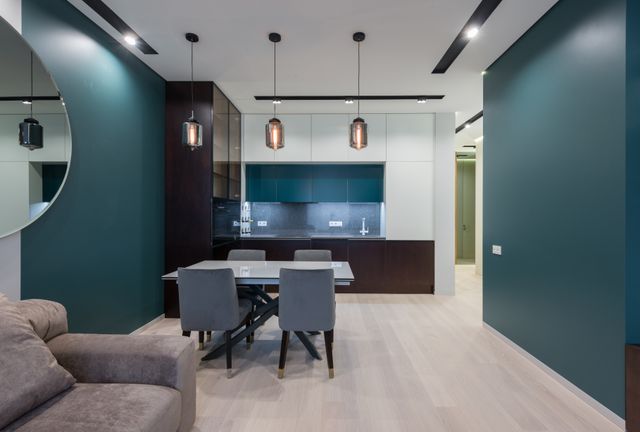
Figuring out how to arrange a small living room dining room combo can feel like a game of Tetris you just can’t win. You want a space to relax, a place to eat, and enough breathing room so you don’t trip over the sofa on your way to the fridge. The secret to making a shared, compact space feel expansive isn’t just about buying smaller furniture. It is about borrowing design principles from some of the most peaceful, uncluttered spaces in history.
Key Takeaways (TL;DR)
- Zoning is crucial: Float your furniture and use distinct area rugs to separate living and dining spaces without physical walls.
- Borrow from monasteries: Adopt the “purpose-first” aesthetic of monastic living to eliminate visual clutter.
- Follow clearance math: Maintain at least 30 to 36 inches for main walkways to ensure the room feels airy, not cramped.
[Internal Link Note: Link to related monastic history or minimalist furniture articles once published. Currently, no related internal pages exist on homeformonks.com to support this cluster.]
What Do You Call a Home for Monks? Finding Design Inspiration
Before we move furniture around, it helps to understand the aesthetic we are aiming for. If you are wondering what do you call a home for monks, the broad answer is a monastery. However, if the home for monks is called an abbey, it refers to a specific, independent community run by an abbot or abbess. These historical structures are built entirely around the concepts of purpose, natural light, and a strict lack of clutter.
When newcomers ask, “what’s a home for monks really like inside?” the answer is breathtakingly simple rather than austere. A traditional abbey home for monks prioritizes raw materials like wood and stone alongside open floor space. Every single object serves a clear function; there are no decorative filler pieces gathering dust. By applying this “purpose-first” mentality found in historic homes for monks to your modern floor plan, you instantly solve the biggest problem of dual-purpose rooms. Treating your apartment a bit like a home for monks abbey forces you to focus on essential, beautiful utility.
Layout Ideas for a Small Rectangle Living Room Dining Room Combo
A narrow layout is the most common and often the most frustrating shape to work with. If you have a small rectangle living room dining room combo, your main goal is to avoid the “bowling alley” effect where all your furniture gets pushed flat against the long side walls.
Here is a straightforward approach to breaking up a rectangular floor plan naturally:
- Float the sofa: Instead of pushing your couch against the wall, place it perpendicular to the long walls, facing the living area. The back of the sofa immediately acts as a physical divider between the living and dining zones.
- Use a round dining table: While monastic dining halls often feature long communal tables, in a small modern rectangle, a round table is your best friend. It softens the hard angles of the room and makes it much easier to walk around the dining chairs.
- Anchor with rugs: Place one large area rug under the living room setup and a slightly smaller, distinct rug under the dining table. This creates two distinct “rooms” visually, without needing a single physical wall.
Why the Monastic Aesthetic Works for a Small Living Room Dining Room Combo
Applying monastic design to a small living room dining room combo works because it forces you to edit. When two rooms share one footprint, every piece of furniture fights for your visual attention. By scaling back, you allow the room to breathe.
Keep your color palette muted and earthy. Think warm whites, soft grays, and natural wood tones. According to environmental psychology research, lighter, uniform color palettes reflect more natural light and trick the human eye into perceiving a room as larger than its actual square footage. Contrast this with heavy, dark furniture which visually absorbs space.
Incorporate hidden storage to maintain the calm. Monastic spaces feel peaceful because everyday tools and items are tucked away when not in use. Opt for a dining bench with a lift-up seat for storing table linens, or a living room ottoman that doubles as a blanket chest. The less you leave out on surfaces, the bigger your room will feel.
Clearance Rules: The Math Behind the Magic
You cannot just guess when it comes to traffic flow. To keep the space feeling peaceful rather than cramped, you need to follow basic interior design clearance rules. The National Kitchen and Bath Association (NKBA) provides standard traffic flow and clearance guidelines that apply perfectly to any open-concept living and dining space.
| Space Between… | Minimum Recommended Distance |
|---|---|
| Dining chairs and the wall (or nearest furniture) | 36 inches (so guests can pull chairs out easily) |
| Coffee table and the sofa | 14 to 18 inches |
| Main walkways through the room | 30 to 36 inches |
Stick to these exact numbers when mapping out your small living room dining room combo. If a piece of furniture violates these clearance zones, it is fundamentally too large for your space.
Frequently Asked Questions
What is a home for monks?
A home for monks is primarily called a monastery. Monasteries are dedicated complexes where monks live, work, and pray together, separated from secular society to focus entirely on their spiritual life.
What do you call a home for monks that is self-sufficient?
A specific type of home for monks is called an abbey. An abbey is a large, self-contained monastic community governed by an abbot. It usually includes a church, living quarters, workshops, and agricultural land.
How do you separate a living room and dining room in a small space?
The most effective way to separate a small living room dining room combo is by using visual anchors rather than physical walls. Use two different area rugs to define the zones, use the back of your sofa as a dividing line, and install a statement pendant light directly over the dining table to create a distinct focal point.
How do I arrange a small rectangle living room dining room combo?
To arrange a small rectangle living room dining room combo, place the living area on one end and the dining area on the other. Float your sofa in the middle of the room facing the living area to cut the long rectangle in half. Use a round dining table in the dining zone to break up the harsh, straight lines of the rectangular room.
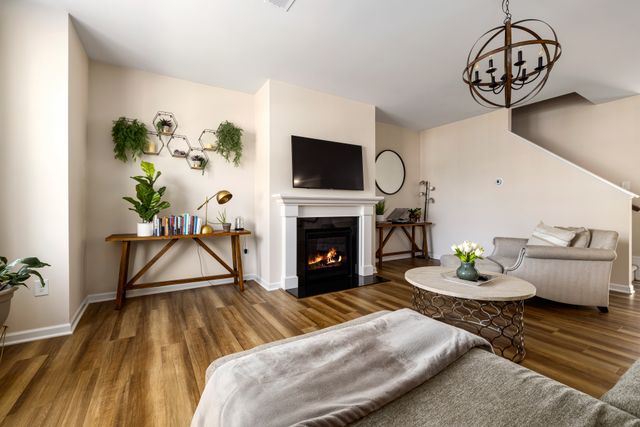
Arranging furniture in tight square footage around a permanent architectural feature often feels like a frustrating puzzle. When looking for the best ideas for small living room with fireplace setups, the secret is leaning into the hearth as your primary anchor. Instead of fighting the focal point, using it to center your design makes a compact space feel intentional and highly functional.
Key Takeaway: The most effective layout floats the main seating arrangement directly in front of the hearth, leaving clear walkways behind the furniture. Combine this centered footprint with dual-purpose pieces and wall-mounted electronics to maximize your available floor space.
Best Ideas for Small Living Room with Fireplace Arrangements
A clear spatial strategy is essential before moving heavy furniture. Your layout dictates the comfort and flow of the room. The goal is to establish distinct conversation zones without blocking natural walking paths. If you are starting from scratch, checking out our space planning basics can help you measure properly.
The Parallel Layout
The parallel layout consists of two identical sofas or loveseats placed facing each other, exactly perpendicular to the fireplace. This configuration is highly effective for narrow rooms. It draws the eye straight toward the hearth while leaving the space directly in front of the fire completely open. This visual trick creates the illusion of a deeper room. Keep at least 18 inches between the seating and your coffee table so guests can navigate comfortably.
The U-Shape Design
A U-shape design features one primary sofa facing the fireplace, flanked by two accent chairs angled slightly inward. This setup is the optimal choice for square rooms, establishing an intimate conversation pit that feels cozy rather than cramped. Choose accent chairs with exposed legs instead of heavy, skirted bases. Seeing the floor beneath the furniture tricks the brain into perceiving a larger room.
Tackling the Screen: Small Living Room Ideas with Fireplace and TV
Balancing two competing focal points requires compromise. Deciding where the television goes when the fireplace dominates the main wall is a common challenge for homeowners.
Mounting Above the Mantel
Hanging a TV directly above the fireplace saves maximum floor space, but heat protection is a critical safety factor. According to the National Fire Protection Association (NFPA) 211 guidelines, proper clearance requirements scale based on exactly how far your combustible mantel projects from the wall. Always check your specific television manufacturer’s heat warranty and local building codes before mounting. To prevent neck strain from high viewing angles, install a pull-down motorized mount to bring the screen down to eye level when in use.
The Side-by-Side Approach
The side-by-side approach places the television on a low-profile console or wall mount immediately adjacent to the chimney breast. If you have available wall space on either side of the hearth, this is the safest option for your electronics. Arrange your seating in an L-shape so one section faces the screen and the other faces the fire. Both needs are met without competing for the exact same vertical space.
Furniture Rules for a Small Fireplace Living Room
Oversized furniture quickly suffocates a compact floor plan. Prioritize proper scale and visual weight when selecting pieces for a small space layout.
- Choose armless or slim-arm chairs: Heavy rolled arms add up to a foot of unusable bulk to a sofa. Slim-track arms or armless slipper chairs conserve massive amounts of space.
- Use nesting tables: Skip the massive central coffee table. Two small drum tables or nesting tables offer flexibility. Move them around easily when you need extra floor space near the fire.
- Opt for a round coffee table: Sharp corners eat into tight walkway clearances. Round edges soften the room visually and make physical navigation much easier.
- Try acrylic or glass: A clear acrylic console provides flat surface space while virtually disappearing, letting the eye travel straight to the fireplace.
Decorating Small Living Room with Fireplace Mantels
Visual clutter rapidly shrinks a room. Restraint is critical when styling your mantelpiece; a crowded surface makes the entire room feel chaotic and unorganized.
Rely on the rule of three for a balanced aesthetic. Place a large mirror or canvas in the center, a tall vase on the left, and a pair of candlesticks on the right. Asymmetrical styling looks relaxed and modern. Hanging an oversized mirror above the mantel is highly recommended for tight spaces. The reflective surface bounces natural light from windows around the room, instantly doubling the perceived depth of the space.
Smart Storage and Built-ins
Installing built-in bookcases on either side of the fireplace provides high-density storage. Even shallow shelves—measuring just 10 to 12 inches deep—hold books and media without eating into the room’s footprint. Review our living room storage hacks for more ways to manage household items stylishly.
Paint the built-ins the exact same color as your walls and the fireplace surround. Color drenching the wall blurs visual boundaries, making the ceiling look taller and the walls feel wider. High contrast chops a small room into distinct blocks, while a monochromatic paint scheme smooths it out seamlessly.
Frequently Asked Questions
How do you arrange furniture in a small living room with a fireplace?
The most effective furniture arrangement for a small living room with a fireplace is to float the seating in the center of the room. Place a loveseat facing the fireplace and add two small-scale, leggy accent chairs on either side to form a U-shape. Keep furniture at least 3 feet away from the hearth to ensure safe and easy foot traffic.
Can you put a TV in front of a fireplace?
Yes, you can place a TV in front of a fireplace, provided the fireplace is non-working, decorative, or completely disabled. Place a low media stand directly on the hearth. Never place a TV in front of an active fireplace. The heat will permanently damage the electronics and create a severe fire hazard.
What colors make a small living room look bigger?
Light, cool-toned colors like soft white, pale gray, and light sage green recede from the eye, making a small living room feel larger. Painting the fireplace trim, walls, and ceiling all the same light color eliminates visual breaks, tricking the brain into perceiving a more expansive space.
How do I make my fireplace look modern on a budget?
The most affordable way to modernize a dated fireplace is with high-heat masonry paint. Painting old red brick a solid white or deep charcoal gray instantly updates the room. You can also swap out a heavy, ornate wooden mantel for a sleek, floating beam made of raw or lightly stained wood.


Tampa Bay Buccaneers vs Chargers Match Player Stats: 40-17 Recap

5 Key Samsung Lions vs SSG Landers Match Player Stats

20×30 Frame Size Guide: Full Inch-to-Cm Chart and Best Uses

The Best Window Treatment for Small Living Room Spaces to Maximize Light and Height

How to Arrange a Small Living Room Dining Room Combo

Best Layout Ideas for Small Living Room with Fireplace
-
 Living Room3 months ago
The Best Window Treatment for Small Living Room Spaces to Maximize Light and Height
-
 Living Room3 months ago
How to Arrange a Small Living Room Dining Room Combo
-
 Living Room3 months ago
Best Layout Ideas for Small Living Room with Fireplace
-
 Blog3 months ago
How to Identify Small Bugs in the Kitchen and Get Rid of Them
-
 Blog3 months ago
How to Choose Bedroom Furniture for Teenage Guys
-
 Bedroom Furniture3 months ago
Tips for a Better Black Friday Bedroom Furniture Deals
-
 Living Room3 months ago
Small Living Room Color Ideas: Paint Tips That Actually Make Tiny Spaces Feel Bigger
-
 Living Room3 months ago
What Should You Know Before Booking Rug Cleaning Near Me?